




Prepararse adecuadamente para un reconocimiento médico puede facilitar el proceso y ayudar a reducir los retrasos, las pruebas repetidas o la falta de información.
Para los pacientes internacionales que se someten a pruebas médicas en China, la preparación puede implicar algo más que simplemente acudir al centro médico. Dependiendo de los exámenes a los que se sometan, es posible que tengan que estar en ayunas, ajustar el horario de toma de determinados medicamentos, llevar el historial médico previo o preparar la documentación de identidad y otros documentos.
Los requisitos varían según los hospitales, los centros de detección y las pruebas concretas. La siguiente guía explica los pasos prácticos que conviene comprobar antes de acudir a la cita.
1. Averigua qué incluye tu revisión médica
Empieza por revisar las pruebas incluidas en tu plan de detección.
Un examen médico puede consistir en una combinación de:
- Análisis de sangre y de orina
- Tensión arterial y otras mediciones básicas
- Electrocardiograma (ECG)
- Ecografía
- Radiografía
- Exámenes de TAC o resonancia magnética
- Consultas con especialistas
- Otras pruebas basadas en la edad, el historial médico, los síntomas o los factores de riesgo individuales
No todas las pruebas de detección requieren la misma preparación.
Por ejemplo, algunos análisis de sangre pueden requerir estar en ayunas, mientras que ciertas pruebas de diagnóstico por imagen tienen sus propios requisitos de preparación o de seguridad.
Si estás organizando un evento más amplio revisión médica en China, confirma la lista definitiva de pruebas antes de desplazarte al centro, en lugar de dar por sentado que todas las exploraciones siguen las mismas instrucciones.
2. Pregúntate si necesitas ayunar
El ayuno es una de las dudas más habituales antes de someterse a un reconocimiento médico.
Es posible que, para algunos análisis de sangre y pruebas médicas, debas abstenerte de comer durante un periodo de tiempo determinado antes de realizarlos. No obstante, los requisitos de ayuno dependen de las pruebas que se vayan a realizar.
Antes de acudir a tu cita, confirma lo siguiente:
- Si es necesario ayunar
- ¿Cuántas horas debes ayunar?
- Si puedes beber agua
- Si se debe evitar el café, el té, el chicle o fumar
- Si tu cita debe programarse por la mañana
No alargues el periodo de ayuno simplemente porque creas que un ayuno más prolongado dará resultados más precisos.
Sigue las instrucciones que te haya dado el centro médico.
Los pacientes con diabetes u otras afecciones en las que el ayuno pueda influir deben consultar con un profesional sanitario adecuado cómo prepararse, en lugar de modificar por su cuenta su rutina habitual.
3. Revisa las instrucciones de tus medicamentos
No dejes de tomar la medicación recetada solo por el hecho de que te vayas a someter a un reconocimiento médico.
Algunos medicamentos pueden influir en los resultados de determinadas pruebas, pero la decisión de seguir tomando la medicación, posponerla o ajustarla depende del medicamento, de la prueba y de su situación médica particular.
Elabora una lista en la que se indiquen:
- Nombre del medicamento
- Posología
- Con qué frecuencia lo tomas
- Por qué se recetó
Incluye los medicamentos con receta, los medicamentos sin receta y los complementos alimenticios pertinentes.
Si es posible, utiliza el nombre genérico del medicamento además del nombre comercial. Los nombres comerciales pueden variar de un país a otro, mientras que los nombres genéricos facilitan al personal sanitario la identificación del medicamento.
4. Trae la documentación médica pertinente
La información médica previa puede aportar un contexto útil, sobre todo si tu prueba de detección está relacionada con una enfermedad que ya padeces o con un resultado anómalo detectado anteriormente.
Entre los registros útiles pueden figurar:
- Informes de laboratorio recientes
- Informes de reconocimientos médicos anteriores
- Informes de TAC, resonancia magnética, ecografía o radiografía
- Archivos de imágenes, cuando estén disponibles
- Informes patológicos
- Antecedentes quirúrgicos
- Diagnósticos actuales
- Información sobre alergias
- Una lista de los medicamentos que toma actualmente
No es necesario que traigas todo tu historial médico.
Da prioridad a los registros recientes y a la información directamente relacionada con tus problemas de salud actuales.
Si tus documentos no están en chino ni en inglés, pregunta con antelación si será necesaria una traducción. Nuestra Pacientes internacionales Esta información ofrece más detalles sobre cómo prepararse para la atención médica y la comunicación en China.
5. Trae tu documento de identidad y la información sobre la cita
Los pacientes internacionales deben tener a mano su documentación de identificación y la información sobre su cita.
Dependiendo del centro sanitario y del proceso de registro, es posible que te pidan el pasaporte u otro documento de identidad.
Antes de salir hacia las instalaciones, comprueba que tienes:
- Pasaporte o documento de identidad válido
- Confirmación de cita
- Datos de contacto del centro médico o del coordinador
- Historiales médicos pertinentes
- Lista de medicamentos
- Cualquier formulario que se haya solicitado con antelación
Si alguien ha concertado la cita en tu nombre, ten a mano también sus datos de contacto.
Esto resulta especialmente útil si surge algún problema con la inscripción o si se produce un cambio de última hora en el calendario de exámenes.
6. Ponte ropa cómoda
Elegir una ropa sencilla puede facilitar la realización de un cribado con múltiples pruebas.
Elige ropa cómoda que sea fácil de quitar o ajustar. Evita llevar joyas o accesorios metálicos innecesarios cuando sepas que es posible que te realicen pruebas de diagnóstico por imagen.
Es posible que, para algunas pruebas, tengas que ponerte ropa médica o quitarte los objetos metálicos.
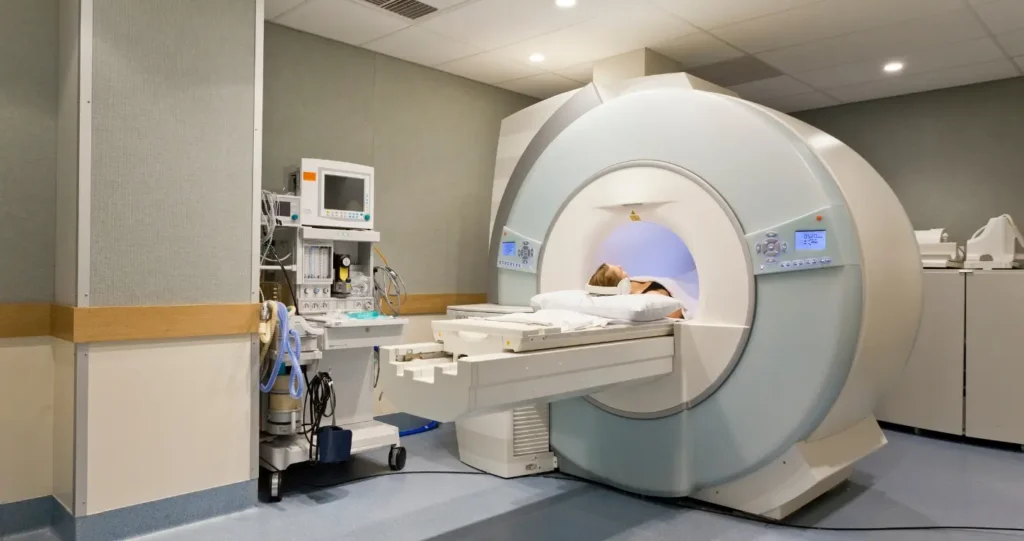
En el caso concreto de la resonancia magnética, es importante realizar un control para detectar implantes metálicos, dispositivos u otros posibles riesgos para la seguridad. El centro de diagnóstico por imagen debe proporcionar instrucciones específicas en función de la prueba que se vaya a realizar.
7. Informa al equipo médico sobre cualquier afección relevante
Antes de que comiencen las pruebas, asegúrate de que el equipo médico conozca cualquier dato que pueda afectar a tus pruebas.
En función de las pruebas que se realicen, esto puede incluir:
- Embarazo o posible embarazo
- Alergias
- Diabetes
- Enfermedad renal
- Dispositivos médicos implantables
- Reacciones previas a los medios de contraste
- Cirugía reciente
- Medicamentos que toma actualmente
- Otras afecciones médicas importantes
Esto cobra especial importancia cuando se baraja la posibilidad de realizar pruebas de imagen avanzadas o exámenes con medio de contraste.
Facilitar esta información no implica necesariamente que no se pueda llevar a cabo la exploración. Permite al equipo médico determinar cuáles son los pasos adecuados a seguir.
8. Reserva tiempo suficiente para la cita
Una revisión médica exhaustiva puede implicar la participación de varios servicios o la realización de varias pruebas, en lugar de una única consulta.
Prevé tiempo suficiente para:
- Inscripción
- Evaluación inicial
- Pruebas de laboratorio
- Pruebas de diagnóstico por imagen
- Consulta con un especialista, cuando esté incluida
- Recopilación de informes o medidas de seguimiento
Algunos resultados pueden estar disponibles el mismo día, mientras que otros requieren un procesamiento adicional o la interpretación de un especialista.
Los pacientes internacionales deben evitar reservar un vuelo, un tren de larga distancia u otro compromiso con horarios muy ajustados inmediatamente después de someterse a un examen médico completo.
9. Pregunta cómo recibirás los resultados
Antes de salir del centro, confirma cómo y cuándo te facilitarán los resultados.
Algunas preguntas útiles son:
- ¿Cuándo estarán disponibles todos los resultados?
- ¿Recibiré un informe digital o impreso?
- ¿Se pueden consultar los archivos de imágenes en formato electrónico?
- ¿Estará disponible el informe en inglés?
- ¿Se incluye una consulta con un médico para explicar los resultados?
- ¿Qué ocurre si un resultado anómalo requiere más pruebas?
Recibir los resultados de las pruebas es solo una parte del proceso. Entender qué significan esos resultados y si se recomienda un seguimiento puede ser igual de importante.
Una sencilla lista de comprobación para la preselección
Hacer algunas comprobaciones prácticas antes de tu cita puede ayudar a que el proceso de cribado se desarrolle sin contratiempos.
Confirma los aspectos que se van a evaluar, revisa cualquier duda sobre la medicación y organiza tus historiales médicos y informes recientes.
Sigue todas las instrucciones dietéticas o de ayuno que te haya indicado el centro médico y prepara tu pasaporte, los datos de la cita y la documentación médica.
Lleva ropa cómoda, calcula tiempo suficiente para el registro e informa al equipo médico sobre los medicamentos que tomas, las alergias, los implantes, el embarazo u otras afecciones relevantes.
Confirma cuándo estarán listos tus informes, cómo los recibirás y si se recomienda alguna consulta de seguimiento o algún examen adicional.
Los requisitos de preparación varían según la prueba y el profesional sanitario. Sigue siempre las instrucciones que se te hayan dado para tu plan de detección específico.
Cómo organizar un chequeo médico desde el extranjero
Para alguien que ya vive en China, concertar una revisión médica puede resultar relativamente sencillo. En el caso de un paciente que viaje al extranjero, puede ser necesario planificarlo con más antelación.
Es posible que haya que coordinar la cita médica con las fechas del viaje, el historial médico, la asistencia lingüística, el transporte y las posibles revisiones médicas.
Si aún no tienes claro qué vía de selección es la más adecuada, empieza por nuestra Revisiones médicas y pruebas de detección de enfermedades página.
Si ya sabes qué servicios médicos necesitas, pero necesitas ayuda para coordinar la visita, también puedes planifica tu visita al médico antes de viajar.
Preguntas frecuentes
¿Tengo que estar en ayunas antes de someterme a un reconocimiento médico?
No siempre. El ayuno depende de los análisis de sangre y otras pruebas incluidas en tu revisión médica. Sigue las instrucciones que te dé el centro médico en lugar de ayunar sin más.
¿Puedo tomar mi medicación habitual antes de una revisión médica?
Depende de la medicación y de las pruebas que se vayan a realizar. No dejes de tomar la medicación recetada sin el asesoramiento médico adecuado. Facilita al equipo médico una lista precisa de la medicación que tomas y pide instrucciones con antelación.
¿Debería llevarme a China mi historial médico anterior?
Si dispones de documentación reciente relevante, traerla puede ayudar a los profesionales sanitarios a comprender tu historial médico y a comparar los resultados anteriores. Los informes de laboratorio, los informes de pruebas de imagen, los resultados de anatomía patológica, los diagnósticos y las listas de medicación pueden resultar útiles.
¿Es necesario traducir los historiales médicos al chino?
No siempre. Los requisitos de traducción dependen del proveedor y de la complejidad de tu historial médico. Los pacientes internacionales deben confirmar qué idiomas se aceptan antes de la cita, sobre todo cuando los informes anteriores son importantes para la toma de decisiones clínicas.
¿Cuánto tiempo dura un reconocimiento médico?
Depende del número y el tipo de pruebas. Una revisión sencilla puede ser relativamente breve, mientras que un programa completo que incluya análisis de laboratorio, pruebas de diagnóstico por imagen y consultas puede llevar bastante más tiempo.