




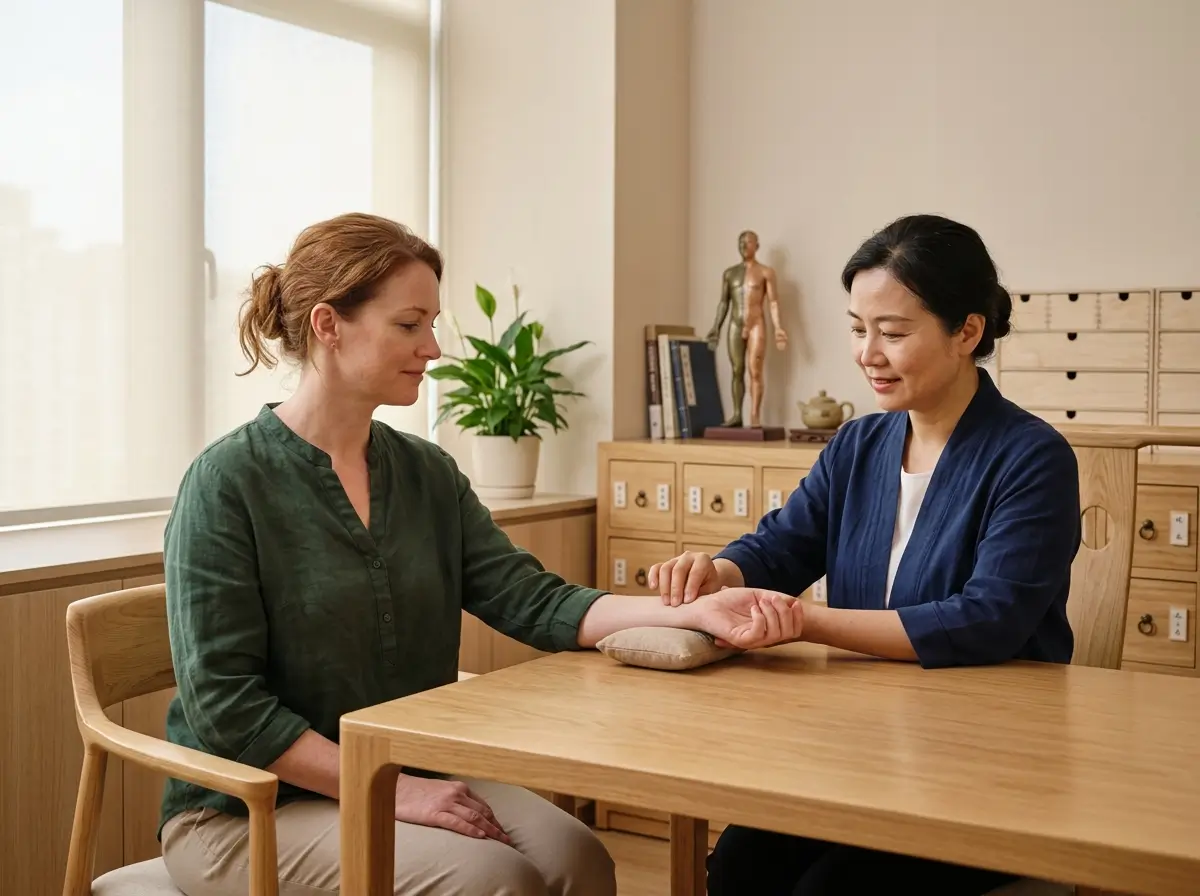
Une approche personnalisée de la médecine traditionnelle chinoise
Les soins de médecine traditionnelle chinoise commencent généralement par une consultation individuelle, plutôt que par le choix d'un traitement à l'avance. Un praticien qualifié tiendra compte de vos symptômes, de vos antécédents médicaux et de votre état de santé général avant de vous proposer une approche thérapeutique adaptée.
Le type, la combinaison et la durée du traitement peuvent varier en fonction de l'évaluation du praticien et des besoins individuels du patient.
Consultation et évaluation individuelle
Le praticien examine vos préoccupations actuelles, vos antécédents médicaux et les informations médicales pertinentes avant d'aborder les différentes approches possibles issues de la médecine traditionnelle chinoise.
Choisir une approche thérapeutique adaptée
En fonction de l'évaluation, la prise en charge peut faire appel à une ou plusieurs approches de la médecine traditionnelle chinoise (MTC), telles que l'acupuncture, le Tuina, la phytothérapie ou d'autres thérapies traditionnelles, le cas échéant.
Adapter les soins en fonction des besoins de chacun
Certains soins de médecine traditionnelle chinoise peuvent nécessiter plusieurs séances ou ajustements au fil du temps. Le calendrier des traitements et l'approche de suivi dépendent de la situation de chacun et des recommandations du praticien.
Passez à la section suivante pour en savoir plus sur les approches de médecine traditionnelle chinoise couramment utilisées en Chine.
Traitements de médecine traditionnelle chinoise en Chine
En fonction de vos besoins en matière de santé et de l'évaluation de votre praticien, la médecine traditionnelle chinoise peut recourir à différentes approches thérapeutiques. Le choix et la durée du traitement doivent être déterminés en fonction des besoins cliniques individuels plutôt que par un choix personnel.
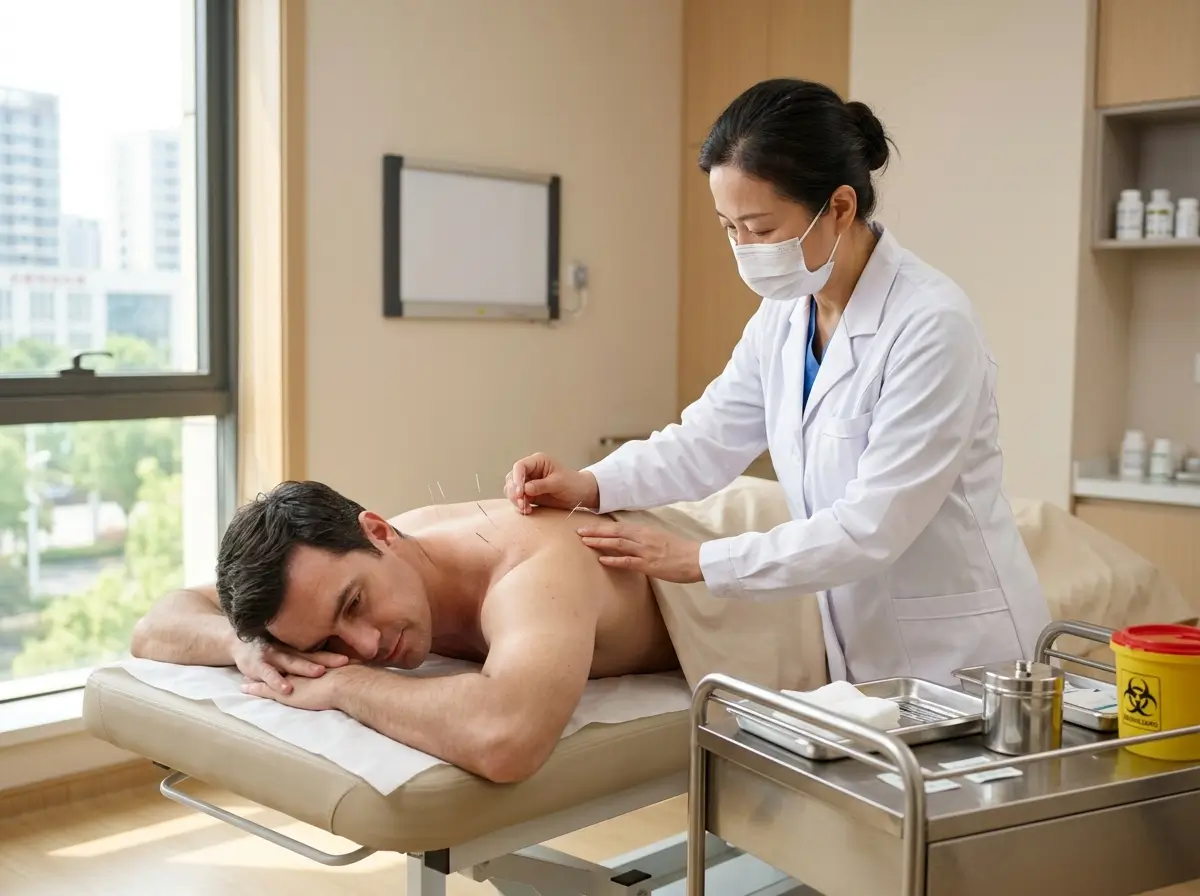
Traitement par acupuncture
L'acupuncture consiste à insérer de fines aiguilles à des points précis du corps dans le cadre d'un protocole thérapeutique issu de la médecine traditionnelle chinoise. Son adéquation, les points de traitement et le nombre de séances dépendent de l'état de santé de chacun et de l'évaluation du praticien.
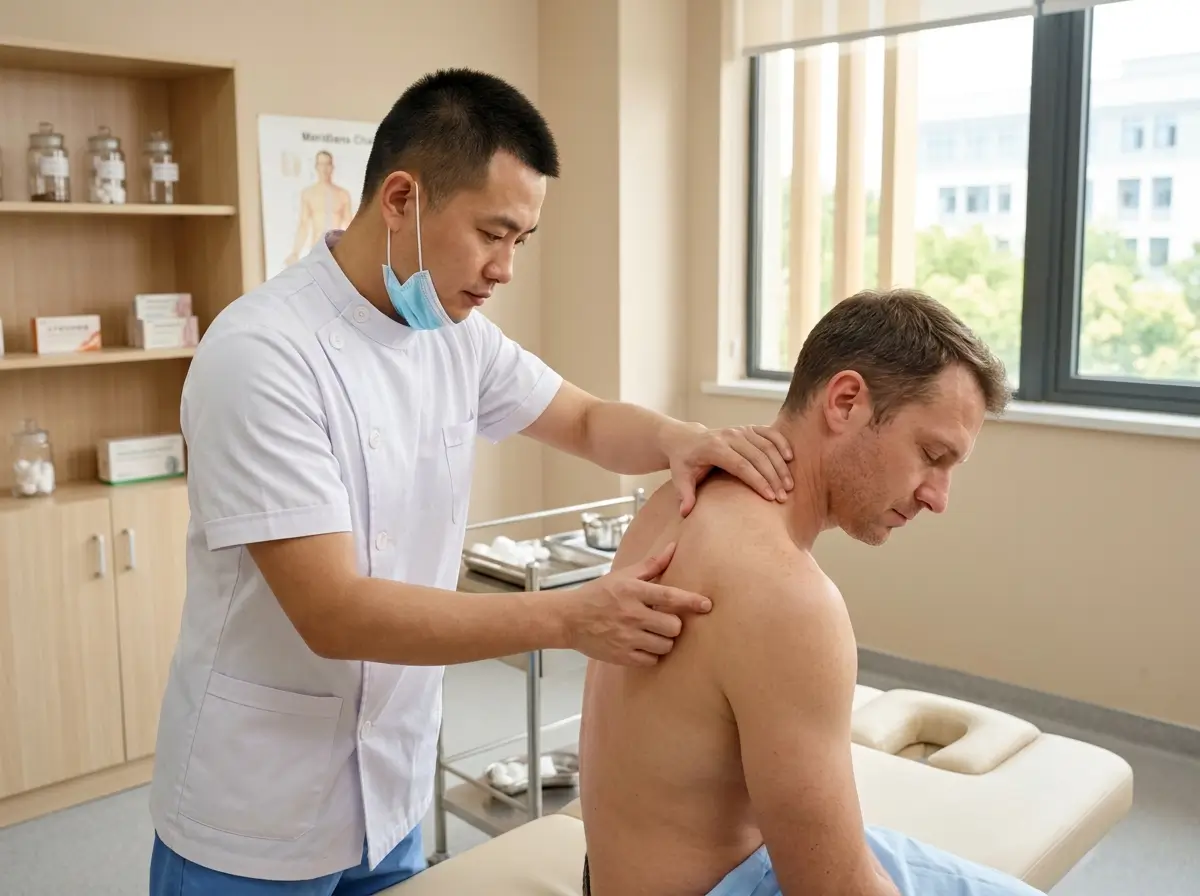
Thérapie Tuina
Le Tuina est une technique thérapeutique manuelle traditionnelle chinoise qui recourt à des techniques telles que la pression, le pétrissage et la manipulation. Il peut être intégré dans un programme de soins plus large issu de la médecine traditionnelle chinoise, en fonction des besoins de chacun.
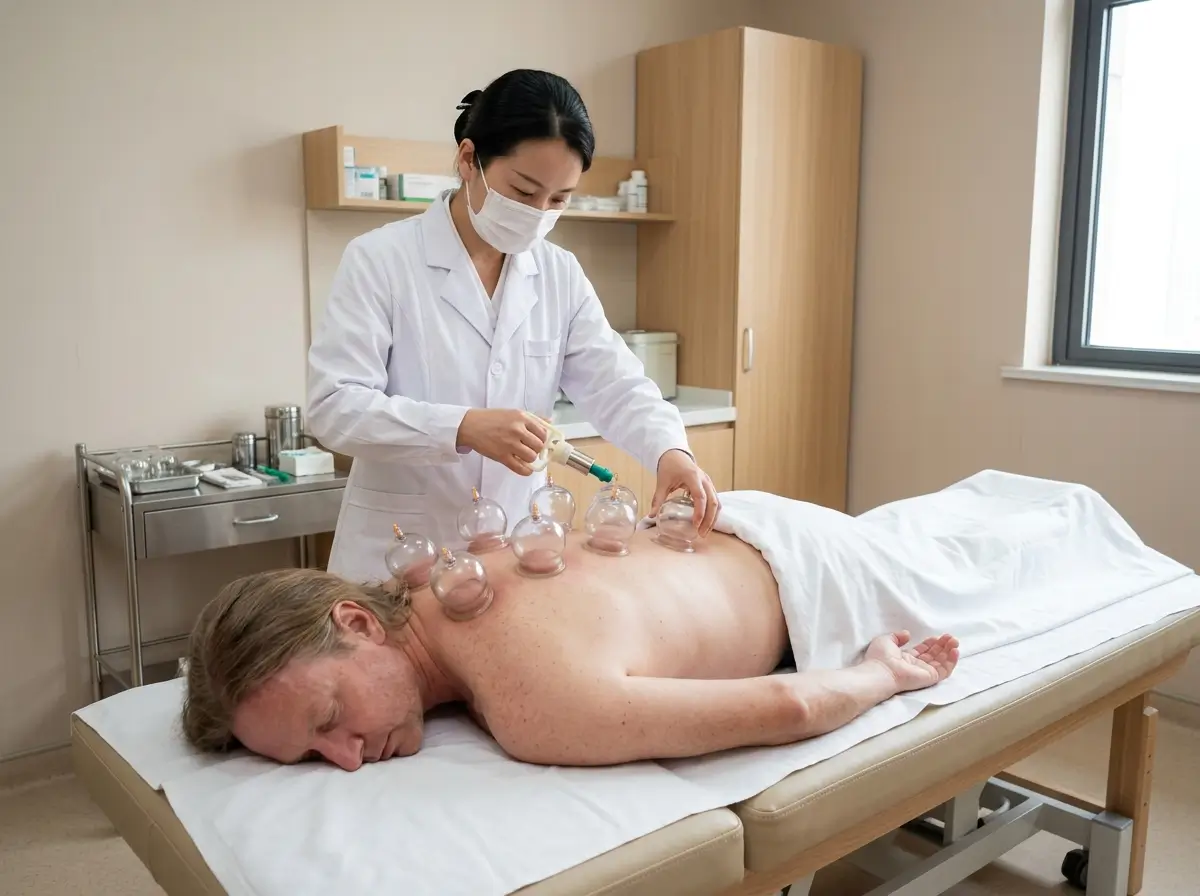
Thérapie par ventouses
La technique des ventouses consiste à appliquer des ventouses spécialement conçues sur certaines zones du corps ; elle peut être intégrée à un programme de soins plus large issu de la médecine traditionnelle chinoise, après une évaluation par un professionnel.
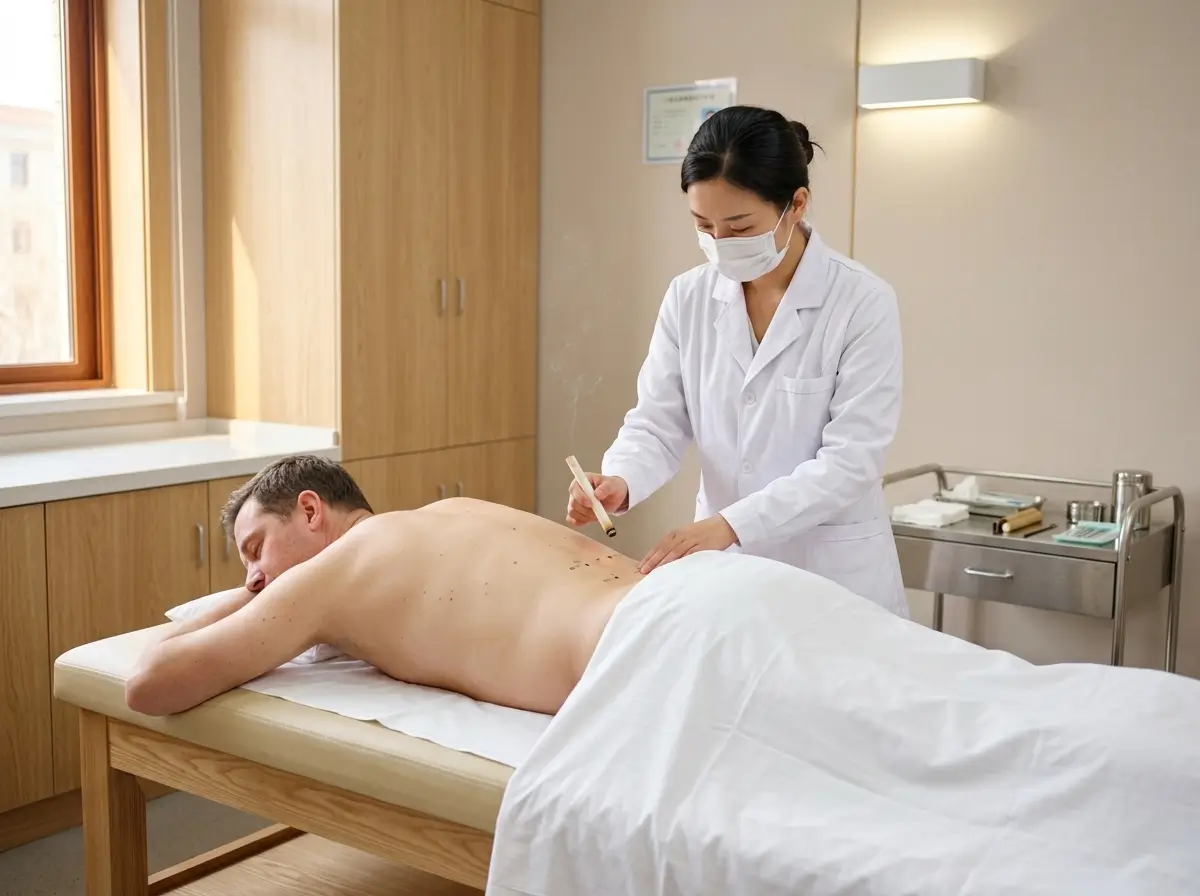
Moxibustion
La moxibustion est une technique traditionnelle de la médecine chinoise qui consiste à appliquer une chaleur contrôlée provenant de la combustion de moxa à proximité de points d’acupuncture sélectionnés. Son adéquation dépend de l’état de santé de chacun et des conseils du praticien.
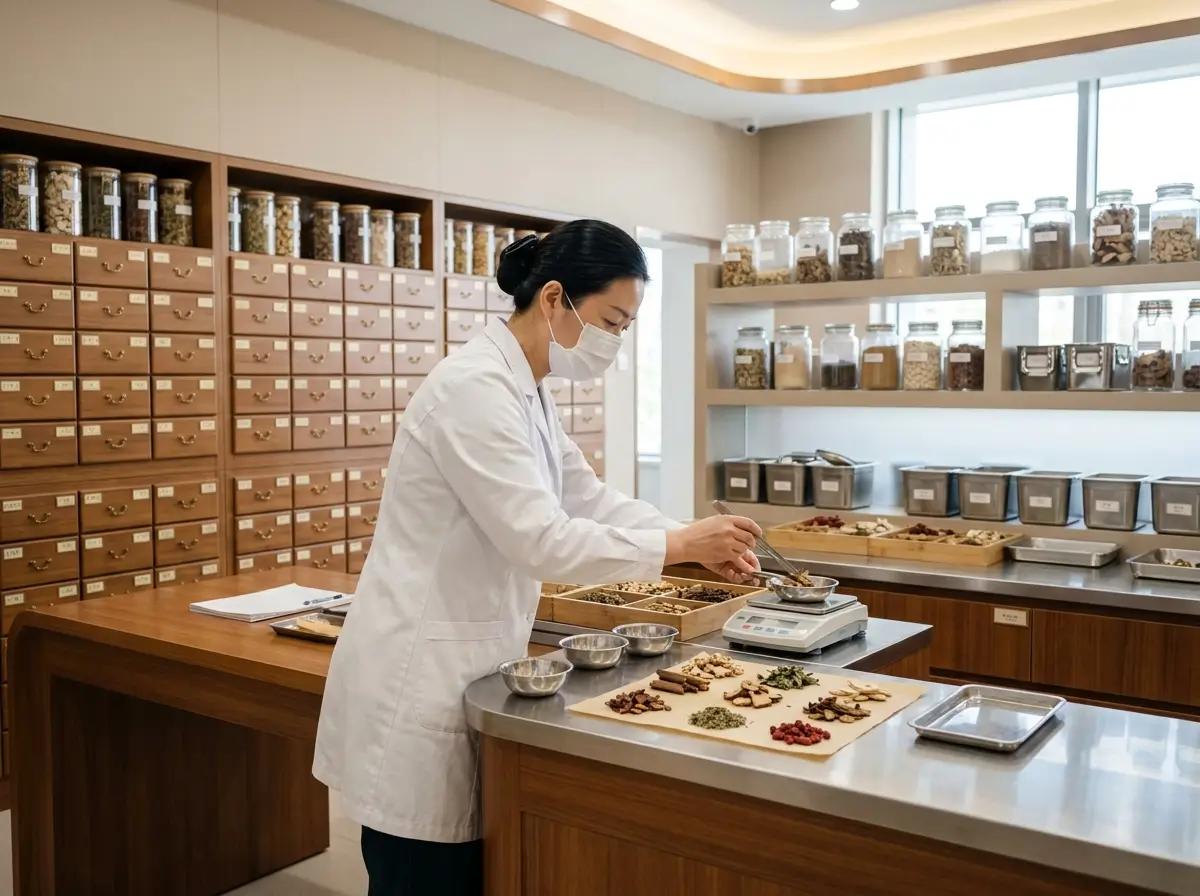
Médecine traditionnelle chinoise à base de plantes
Des préparations à base de plantes peuvent être prescrites selon les principes de la médecine traditionnelle chinoise et l’évaluation individuelle du praticien. Les ingrédients, la posologie et la durée du traitement varient selon les patients.
Commencez par exposer vos problèmes de santé et les informations médicales pertinentes. Un praticien qualifié devra déterminer l'approche thérapeutique appropriée après une évaluation individuelle.
La médecine traditionnelle chinoise est-elle adaptée à vos besoins ?
Chacun se tourne vers la médecine traditionnelle chinoise pour des raisons différentes. Certains cherchent un soutien pour soulager des symptômes persistants ou faciliter leur rétablissement, tandis que d'autres s'intéressent à une approche plus personnalisée en complément de leur prise en charge médicale actuelle. Le parcours de MTC le plus adapté dépend de votre état de santé et de l'évaluation d'un professionnel.
La médecine traditionnelle chinoise ne doit pas se substituer à un examen médical ou à un traitement nécessaire lorsque des soins médicaux conventionnels s'imposent. Les diagnostics, les traitements médicamenteux et les plans thérapeutiques existants doivent être pris en compte lorsqu'on aborde les options offertes par la médecine traditionnelle chinoise.
Explorer les options de prise en charge des symptômes persistants
Certains patients envisagent de recourir à la médecine traditionnelle chinoise (MTC) lorsqu'ils sont confrontés à des symptômes persistants ou à des problèmes de santé, et souhaitent explorer une approche thérapeutique complémentaire et personnalisée après avoir bénéficié d'un bilan médical approprié.
Besoins en matière de santé musculo-squelettique et de mobilité
L’acupuncture, le tuina et les autres approches issues de la médecine traditionnelle chinoise peuvent être envisagés pour certains problèmes musculo-squelettiques, de mobilité ou liés à la rééducation, en fonction de l’évaluation du praticien.
Un accompagnement en complément des soins médicaux conventionnels
Certains patients étrangers envisagent de recourir à la médecine traditionnelle chinoise (MTC) en complément d’un examen ou d’un traitement médical conventionnel. Toute approche combinée doit tenir compte des diagnostics actuels, des médicaments pris et des plans de traitement existants .
Santé préventive et bien-être général
Certaines personnes se tournent également vers la médecine traditionnelle chinoise dans le cadre d’une approche personnalisée de la prévention sanitaire, de la gestion du mode de vie et du maintien du bien-être général.
Parlez-nous de vos problèmes de santé actuels, de vos diagnostics et des traitements que vous suivez déjà.
Comment MedEase coordonne vos soins de médecine traditionnelle chinoise en Chine
Vous n'avez pas besoin de vous débrouiller seul pour vos soins de médecine traditionnelle chinoise. MedEase China vous aide à organiser votre demande, à coordonner les ressources médicales adaptées et à vous accompagner dans les démarches pratiques liées à votre consultation de médecine traditionnelle chinoise.
Parlez-nous de votre état de santé
Faites-nous part de vos principales préoccupations en matière de santé, de tout diagnostic existant, des informations médicales pertinentes et de ce que vous souhaitez explorer grâce à la médecine traditionnelle chinoise.
Coordonner les ressources adaptées en médecine traditionnelle chinoise
Nous vous aidons à organiser votre demande et assurons la coordination avec les ressources médicales concernées afin que les possibilités de consultation et de traitement appropriées puissent être définies avant votre visite.
Organiser les détails pratiques
Une fois que le parcours de soins adapté aura été défini, nous pourrons vous aider à coordonner les rendez-vous, la communication et les modalités pratiques de vos consultations de médecine traditionnelle chinoise en Chine.
Coordonner le suivi si nécessaire
Si plusieurs séances, des ajustements du traitement ou des soins médicaux supplémentaires sont recommandés, nous pouvons vous aider à coordonner les prochaines étapes concrètes de la poursuite de votre prise en charge.
Veuillez nous communiquer votre diagnostic actuel, les médicaments que vous prenez et votre plan de traitement afin que ces informations pertinentes puissent être prises en compte lors de la coordination des soins de médecine traditionnelle chinoise.
La médecine traditionnelle chinoise en complément des soins médicaux conventionnels
La médecine traditionnelle chinoise ne doit pas toujours être envisagée de manière isolée. Certains patients ont recours à la MTC en complément d’un bilan de santé, d’un examen diagnostique, de soins spécialisés ou d’une rééducation, dans le cadre d’un parcours médical plus large.
Il convient de prendre en compte les diagnostics, les traitements médicamenteux et les plans de traitement existants avant d'ajouter l'acupuncture, la phytothérapie ou d'autres thérapies issues de la médecine traditionnelle chinoise à votre prise en charge.
Dépistage et bilan médical
Les résultats des dépistages, les examens de laboratoire et les bilans de santé déjà effectués peuvent apporter un éclairage clinique utile lorsqu'il s'agit de déterminer si la médecine traditionnelle chinoise pourrait avoir sa place dans votre plan de soins global.
Imagerie diagnostique
Les résultats d'IRM, de scanner, de TEP et d'autres examens d'imagerie médicale peuvent fournir des informations importantes sur une affection existante avant d'envisager un traitement complémentaire de médecine traditionnelle chinoise.
Soins médicaux spécialisés
Si vous bénéficiez déjà d’un suivi spécialisé pour une affection diagnostiquée, toute approche complémentaire issue de la médecine traditionnelle chinoise (MTC) doit tenir compte du plan de soins médical en place et des recommandations des spécialistes.
Veuillez mentionner ces informations lorsque vous abordez le sujet des soins de médecine traditionnelle chinoise afin que les professionnels de santé concernés puissent tenir compte de votre état de santé actuel.
Aide pratique aux patients internationaux
Recevoir des soins de médecine traditionnelle chinoise dans un autre pays peut impliquer de faire face à des professionnels, des méthodes de traitement et des modalités pratiques qui vous sont inconnus. MedEase China aide les patients internationaux à coordonner les démarches non cliniques liées à leur consultation de médecine traditionnelle chinoise.
MedEase China se concentre sur la coordination, la communication et l'accompagnement lors des consultations. Le diagnostic, le choix du traitement et les conseils médicaux sont assurés par des professionnels de santé qualifiés.
Préparation des informations médicales
Rassemblez les diagnostics pertinents, les traitements médicamenteux, l'historique thérapeutique et toute autre information médicale susceptible d'être utile avant une consultation de médecine traditionnelle chinoise.
Coordination entre prestataires
Aider à coordonner les ressources médicales de médecine traditionnelle chinoise (MTC) adaptées en fonction du type de consultation ou de traitement envisagé et de la disponibilité du moment.
Soutien en matière de langue et de communication
Une aide pratique à la communication peut être mise en place pour aider les patients internationaux à mieux s'orienter dans le cadre des consultations, de l'organisation des traitements et des modalités de leur séjour.
Planification des visites et du suivi
Coordonner les modalités pratiques liées aux rendez-vous et, lorsque plusieurs séances sont recommandées, aider à planifier les visites de suivi.
Les voyageurs en visite à Pékin peuvent découvrir la médecine traditionnelle chinoise sous l'angle de la culture et du bien-être grâce à une visite guidée spécialement conçue à cet effet. Cette initiative est distincte des soins cliniques de médecine traditionnelle chinoise organisés par MedEase China.
Vous n'avez pas besoin de choisir un traitement avant votre consultation. Un praticien qualifié en médecine traditionnelle chinoise pourra prendre en compte vos préoccupations actuelles, vos antécédents médicaux, vos pathologies existantes et votre état de santé général avant de déterminer si l'acupuncture, le Tuina, la phytothérapie ou une autre approche de la MTC pourrait vous convenir.
Pas nécessairement. Vous pouvez commencer par décrire vos principales préoccupations en matière de santé et le type de soins qui vous intéresse. Toutefois, si vous disposez déjà d’un diagnostic, de rapports médicaux récents, de résultats d’imagerie, de résultats d’analyses de laboratoire ou d’un plan de traitement en cours, le fait de partager ces informations peut fournir un contexte utile au praticien.
Cela dépendra du traitement, de la disponibilité du praticien et de votre situation personnelle. Certains soins de médecine traditionnelle chinoise peuvent se limiter à une seule consultation, tandis que d’autres protocoles thérapeutiques peuvent nécessiter plusieurs séances. Il est recommandé de discuter du calendrier prévu avant votre visite afin de pouvoir prendre des dispositions adaptées.
Dans certains cas, les patients peuvent envisager de recourir à la médecine traditionnelle chinoise en complément des soins médicaux conventionnels. Les diagnostics existants, les traitements médicamenteux, les recommandations des spécialistes et les plans de traitement doivent être pris en compte lorsqu’on aborde la question des soins complémentaires issus de la médecine traditionnelle chinoise. Les professionnels de santé concernés doivent être informés des traitements que vous suivez.
Oui. Si vous prenez des médicaments sur ordonnance, suivez un traitement spécialisé ou utilisez d’autres compléments alimentaires ou produits à base de plantes, communiquez ces informations aux professionnels de santé concernés. Les prescriptions à base de plantes doivent être personnalisées par un praticien qualifié, et il convient de prendre en compte les interactions éventuelles avec votre traitement actuel.
MedEase China se concentre sur la coordination pratique de votre consultation médicale. En fonction de vos besoins, nous pouvons vous aider à organiser votre demande, à coordonner les ressources médicales de médecine traditionnelle chinoise (MTC) pertinentes, à prendre des rendez-vous et à faciliter la communication ainsi que la planification de votre consultation. Le diagnostic, le choix du traitement et les conseils médicaux restent de la responsabilité des professionnels de santé qualifiés.